Archives
-
Brain derived neurotrophic factor BDNF is the most abundant
2022-05-21
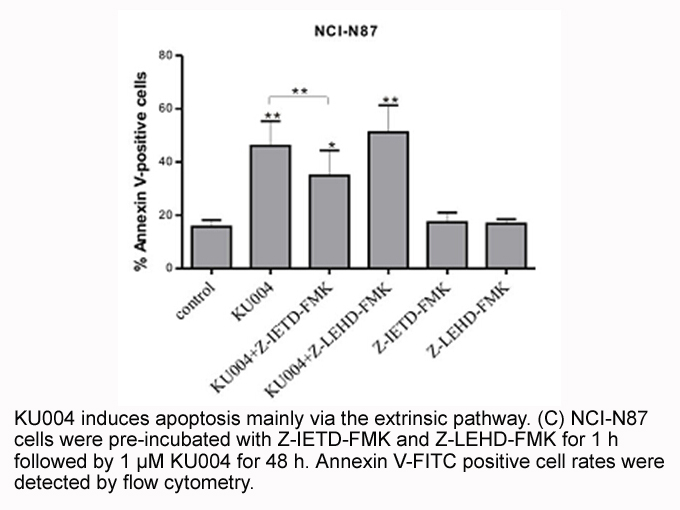
Brain-derived neurotrophic factor (BDNF) is the most abundant growth factor in the brain and is critical for neuronal development and synaptic plasticity (Bekinschtein et al., 2008; Lu et al., 2014). Besides playing an important role in mood and cognition, BDNF is also involved in the regulation of
-
A few previous studies have examined Factor Xa inhibitors
2022-05-20
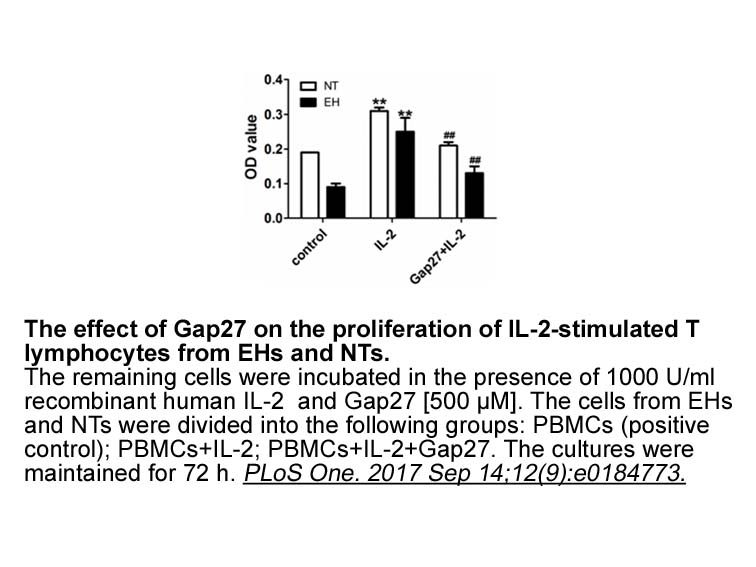
A few previous studies have examined Factor Xa inhibitors for VTE prophylaxis in hip fracture patients. In a 2001 paper, Eriksson et al. studied 1250 patients with hip fractures that had been randomized to either postoperative Factor Xa inhibitor or enoxaparin [13]. Each patient received bilateral v
-
Enhancer of zeste homolog EZH which functions as a
2022-05-20

Enhancer of zeste homolog 2 (EZH2), which functions as a methyltransferase, is a critical subunit of polycomb repressive complex 2 (PRC2), which has been demonstrated to be involved in the development of the gabab [23]. Aberrant expression of EZH2 has been found to be associated with a variety of h
-
BMP signals play pivotal roles in the various processes
2022-05-20
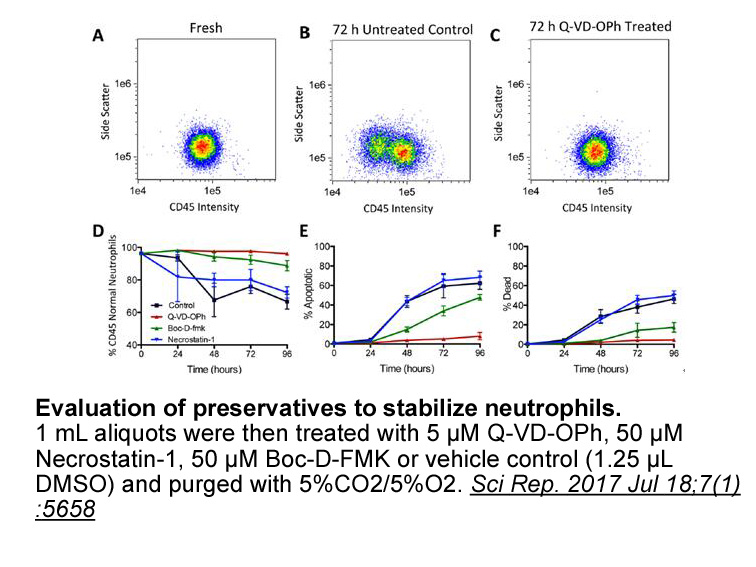
BMP signals play pivotal roles in the various processes of chondrogenesis [12], [13]. At early stages of chondrogenesis, BMP signaling regulates the differentiation of mesenchymal Ginsenoside Rb1 into chondrocytes via the induction of Sox9[29]. The loss of Noggin, a BMP antagonist, results in the o
-
Thus far it is reported that the
2022-05-20
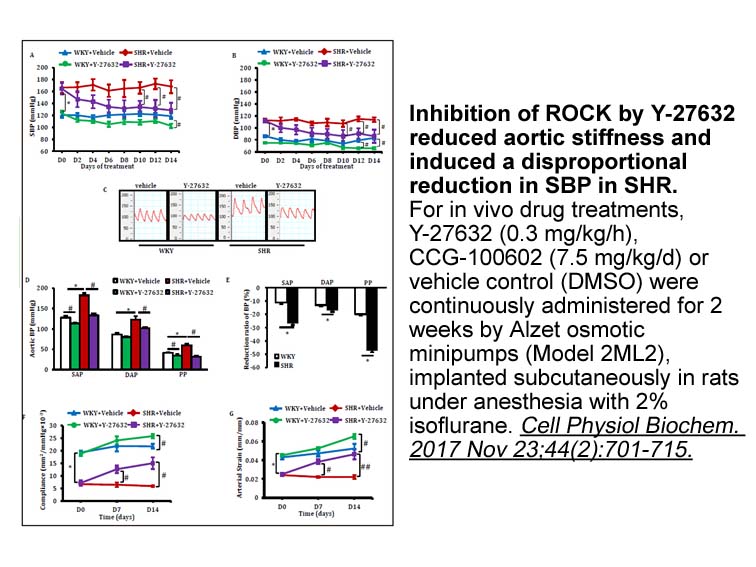
Thus far, it is reported that the histone methyltransferase activity of SUV39H1 is regulated through some posttranslational modifications. For example, deacetylation of SUV39H1 at Lys-266 by SIRT1 deacetylase increases SUV39H1 activity [31], and methylation of SUV39H1 at Lys-105 and Lys-123 by SET7
-
The stable association of Hat complexes with histones H and
2022-05-20
The stable association of Hat1 complexes with histones H3 and H4 raises a number of interesting issues. The first is the question of how Hat1 remains stably associated with histones H3 and H4. While the simple answer is that Hat1 remains bound to histones because of its association with histone chap
-
The mast cell has long been recognized as central
2022-05-20
The mast cell has long been recognized as central to the mediation of allergic responses not least because it is the principal repository of histamine in the body. Following activation by allergens, the mast cell can release histamine as well as generate a host of additional mediators such as cystei
-
br Introduction The role of histamine in allergic responses
2022-05-20
Introduction The role of histamine in allergic responses, anaphylaxis, and gastric Adenine HCl secretion has been well described in both human and veterinary medicine. New roles for histamine and its receptors, however, have been elucidated over the last two decades (Smuda and Bryce, 2011), and n
-
HER genotype was determined in
2022-05-20
HER2 genotype was determined in breast cancer tissue of 73 breast cancer patients. As previously reported, Ile655Val and Ala1170Pro genotypes measured in breast cancer tissues were available for 71 and 69 breast cancer patients, respectively. Briefly, 77.5% (55/71) of patients were homozygous for th
-
Our synthetic approach to GPR
2022-05-20
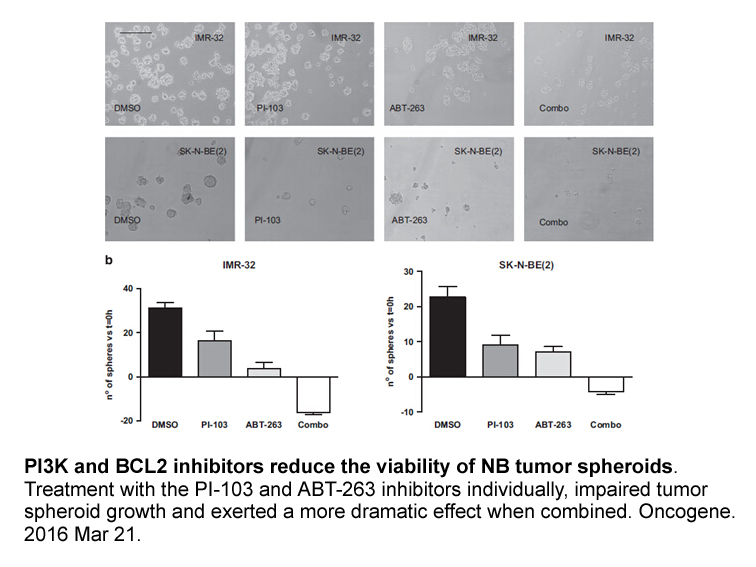
Our synthetic approach to GPR55 antagonists was designed so that many different structures could be accessed to rapidly explore initial SAR, along with validating or modifying our current model (). The synthesis begins with the coupling of a carboxylic Rosiglitazone to 4-piperidone by first forming
-
Several previous reports have demonstrated that epithelial
2022-05-20

Several previous reports have demonstrated that epithelial cell migration is important in promoting mucosal repair after damage caused by DSS and nonsteroidal anti-inflammatory drugs [33], [34], [35]. Cell migration is coordinated by many factors, including fibronectin and its receptor integrin α5,
-
In conclusion GPR inhibits and GPR enhances the cell motile
2022-05-20
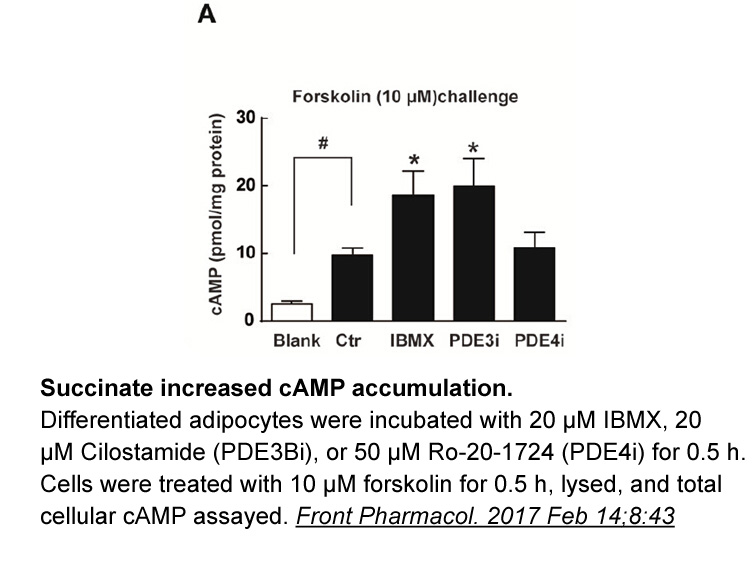
In conclusion, GPR120 inhibits and GPR40 enhances the cell motile activity stimulated by TPA in melanoma cells, while MMP-9 activation was reduced by GPR40. In contrast, GPR40 negatively regulated cellular functions of fibrosarcoma Fmoc-His(Trt)-OH [11]. Taken together, it is suggested that opposite
-
br Computational details and modeling
2022-05-20
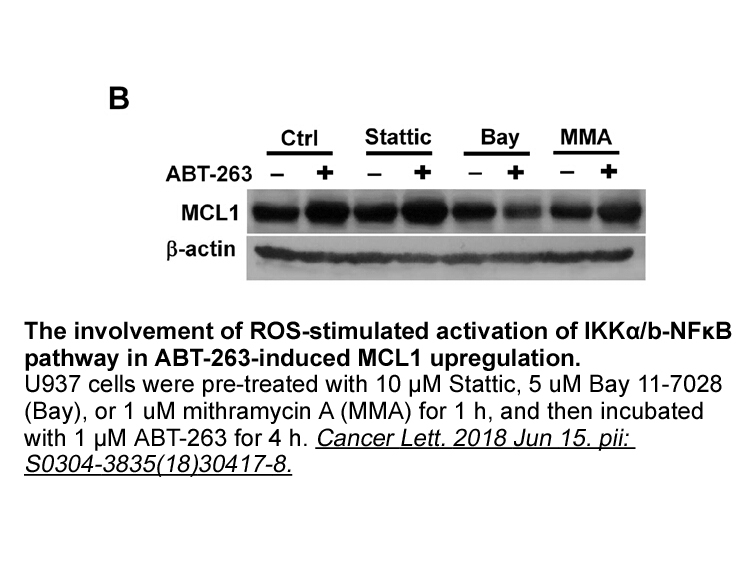
Computational details and modeling All calculations were performed using the density functional B3LYP [34] method, implemented in Gaussian03 program [35]. The structures of reactants, transition states, intermediates, and products were optimized using the 6-31+G(d) basis set for the H, C, N, O an
-
Several studies have indicated MUC to be an
2022-05-19
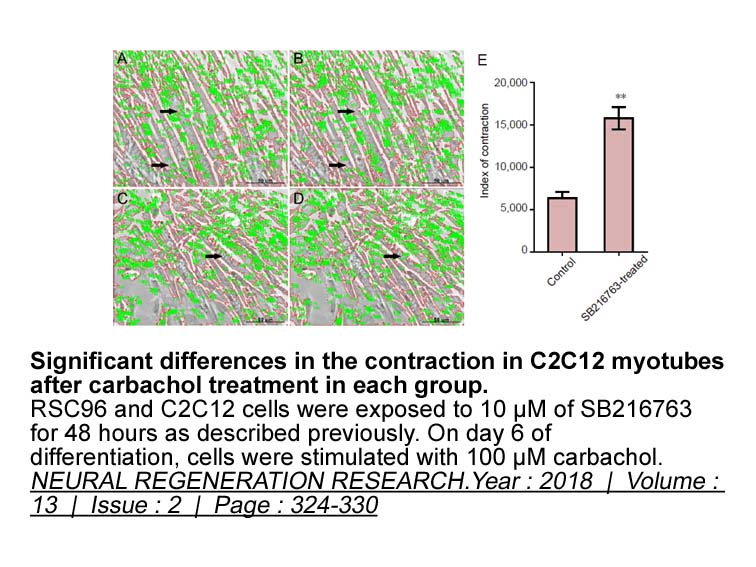
Several studies have indicated MUC1 to be an effective marker for identifying various malignant tumors, such as gastric, breast, pancreatic, ovarian, gallbladder, uterus, lung, and prostate cancers, as well as for prognostic outcomes [16], [17], [18], [19], [20], [21], [22], [23]. Studies by Kaira e
-
br SMO antagonists pitfalls and limitations The first
2022-05-19
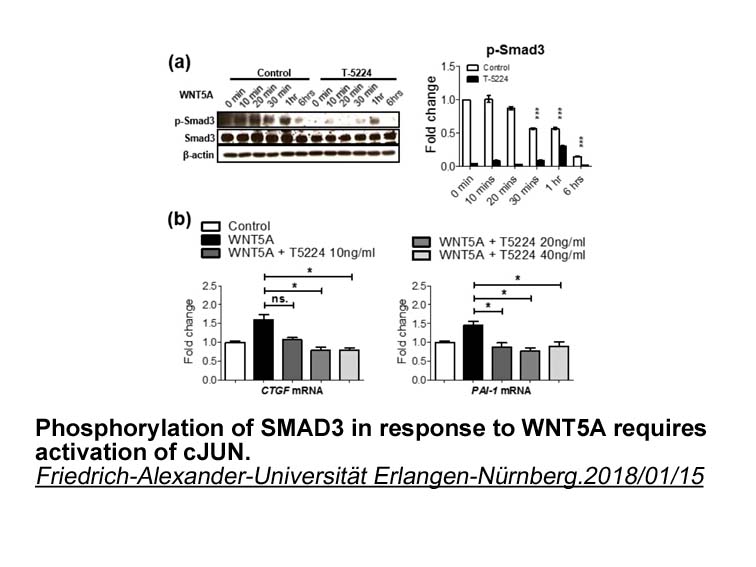
SMO antagonists: pitfalls and limitations The first Hh inhibitor discovered was cyclopamine, a naturally occurring alkaloid isolated from Veratrum californicum[21], which inactivates SMO by directly binding to its hepathelical bundle. Nevertheless, cyclopamine has shown several limitations as a d
3708 records 166/248 page Previous Next First page 上5页 166167168169170 下5页 Last page