Archives
- 2026-06
- 2026-05
- 2026-04
- 2026-03
- 2026-02
- 2026-01
- 2025-12
- 2025-11
- 2025-10
- 2023-07
- 2023-06
- 2023-05
- 2023-04
- 2023-03
- 2023-02
- 2023-01
- 2022-12
- 2022-11
- 2022-10
- 2022-09
- 2022-08
- 2022-07
- 2022-06
- 2022-05
- 2022-04
- 2022-03
- 2022-02
- 2022-01
- 2021-12
- 2021-11
- 2021-10
- 2021-09
- 2021-08
- 2021-07
- 2021-06
- 2021-05
- 2021-04
- 2021-03
- 2021-02
- 2021-01
- 2020-12
- 2020-11
- 2020-10
- 2020-09
- 2020-08
- 2020-07
- 2020-06
- 2020-05
- 2020-04
- 2020-03
- 2020-02
- 2020-01
- 2019-12
- 2019-11
- 2019-10
- 2019-09
- 2019-08
- 2019-07
- 2019-06
- 2019-05
- 2019-04
- 2018-07
-
Consistent with a clear separation
2020-12-25
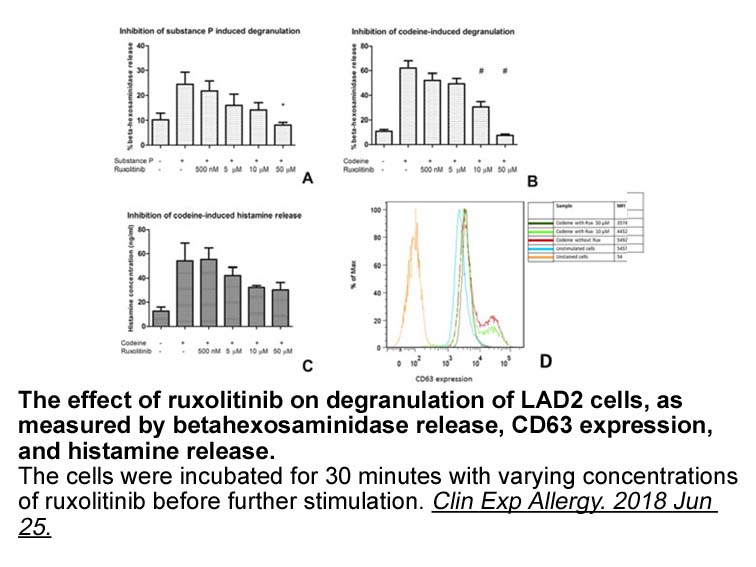
Consistent with a clear separation of biological function between ARISC and BRISC in cells, mutations in BRCC36 and Abraxas are prevalent in cancer genomes whereas mutations in KIAA0157 are rare. A survey of the Catalogue of Somatic Mutations in Cancer (COSMIC) consortium, revealed that to date, 37
-
In many studies spatial and temporal
2020-12-25
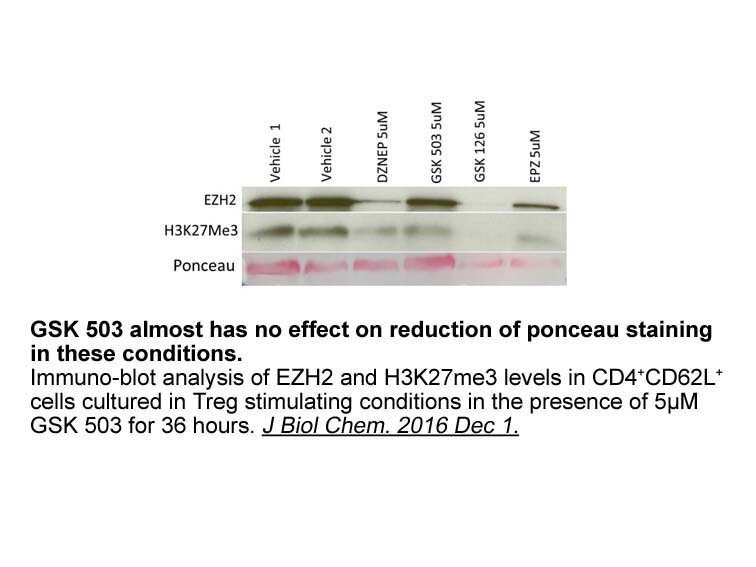
In many studies, spatial and temporal expression and subcellular localizations of the DNMTs are examined in greater detail. These studies are evaluated and discussed in the remaining part of the article. DNMT1 protein expression was characterized in the genital ridge of the primitive mouse gonad at
-
br The related catalytic regions of the human DNA
2020-12-25
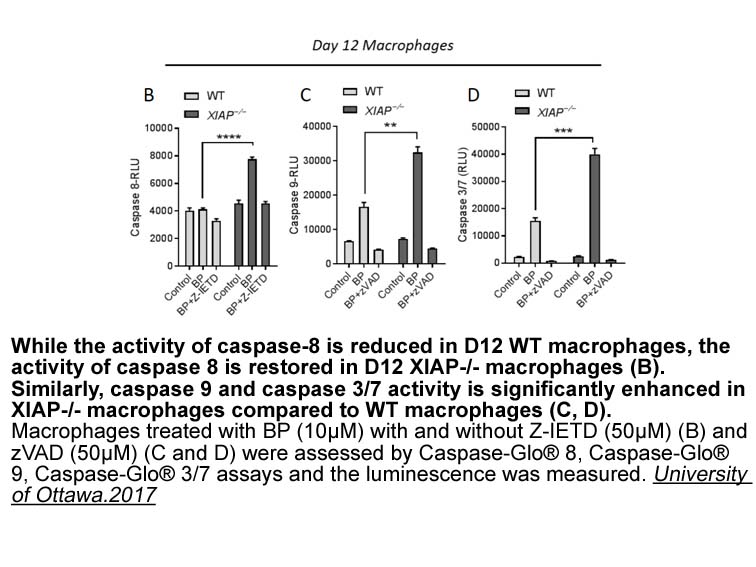
The related catalytic regions of the human DNA ligases contain three domains, a DNA binding domain (DBD), a nucleotidyl transferase domain (NTase) and an oligonucleotide/oligosaccharide-fold binding domain (OBD) (Ellenberger and Tomkinson, 2008). Similar to DNA ligase I, the DNA ligase III polypep
-
All DGKs have at least two cysteine rich regions
2020-12-25
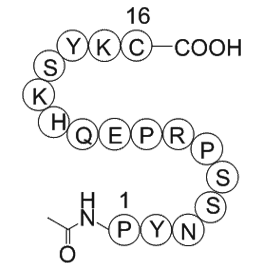
All DGKs have at least two cysteine-rich regions homologous to the C1A and C1B motifs of PKCs [26]. In theory, these domains may bind DAG, perhaps localizing DGKs to where DAG accumulates. However, no DGK C1 domain has so far been conclusively shown to bind DAG. In fact, structural predictions sugg
-
Keratin K has been identified as the
2020-12-25
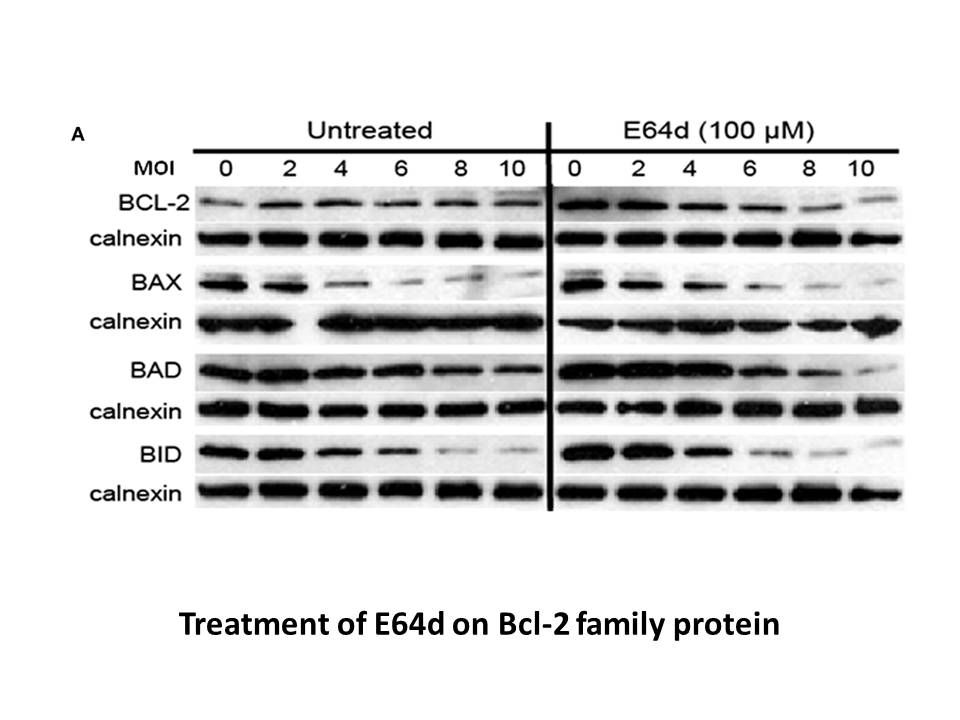
Keratin 8 (K8) has been identified as the first intermediate filament expressed during development in amphibians and mammals. In zebrafish, a type II cytokeratin 8 (zf-K8) cDNA has been cloned. zf-K8 gene was maternally inherited and expressed in all surface cells throughout the embryonic stages old
-
In summary our data show a novel mechanism CPD
2020-12-25
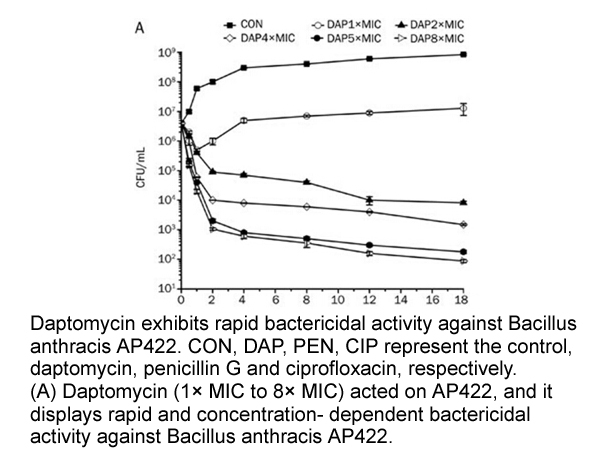
In summary, our data show a novel mechanism: CPD-mediated autoprocessing of C difficile toxins regulates their proinflammatory activities. Thus, our study provides a new understanding of the molecular mechanisms of the pathogenesis of C difficile toxins and insights into designing new therapeutics a
-
There are numerous resources clinicians may use
2020-12-25
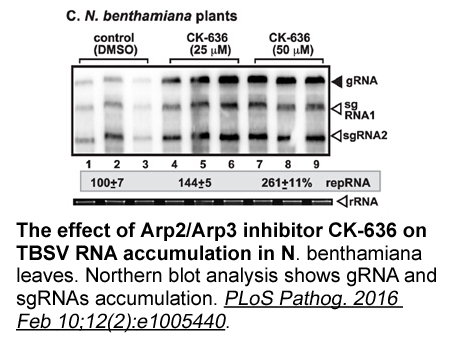
There are numerous resources clinicians may use to gather information on the strength of evidence related to pharmacogenetic-based dosing and treatment decisions, as well as specific dosing guidelines, some of which are summarized in this review. These include resources from CPIC, which provides pee
-
Chemokines act as ligands for
2020-12-25
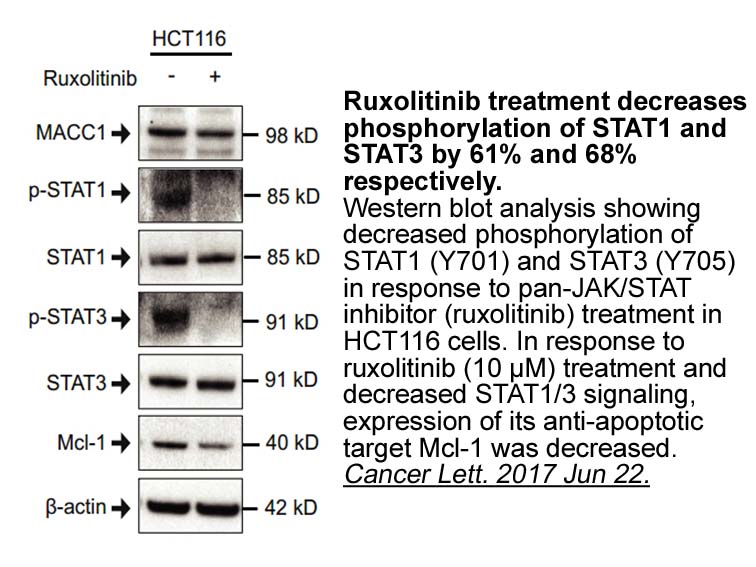
Chemokines act as ligands for the chemokine receptors, which possess 7-transmembran domain-type proteins functionally coupled to G proteins. Leukocytes express 19 chemokine receptors which control their influx and activation at the site of inflammation. Human neutrophils express both CXCR-1 and CXCR
-
Other karyopherins besides CRM must bind to FG Nups
2020-12-25

Other karyopherins besides CRM1 must bind to FG-Nups in a similar fashion. However, at an atomic resolution, only the interaction of importin β with isolated FG motifs has been analyzed (Bayliss et al., 2000, Bayliss et al., 2002, Liu and Stewart, 2005). Despite similarities in the FG-binding pocket
-
On the basis of the findings described above a
2020-12-25
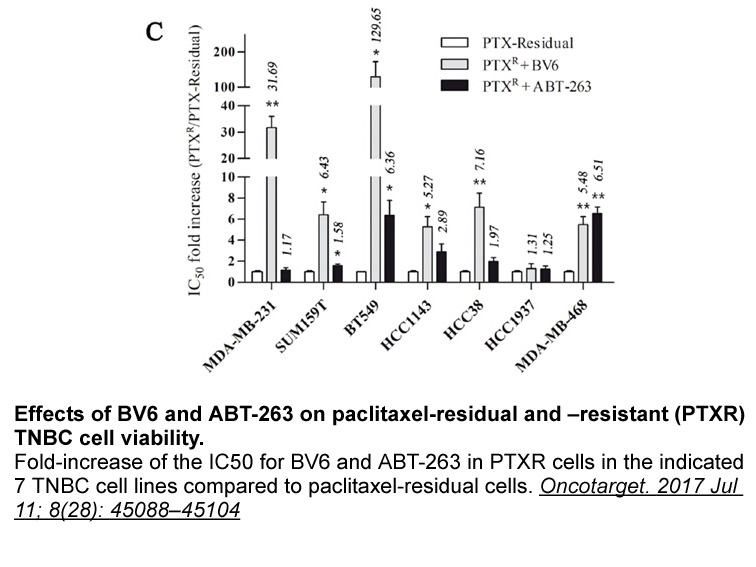
On the basis of the findings described above, a series of heterotricyclic analogs were designed and synthesized. The human CRF1 receptor binding and antagonist activity data for newly designed heterotricyclic core antagonists 28–33 are described in Table 3. Most of the tricyclic core analogs listed
-
Introduction Progesterone also known as P
2020-12-24
Introduction Progesterone, also known as P4, is a steroid hormone acting as a key component in the complex regulation of female reproductive function. P4 plays major physiological roles in the uterus and ovary by releasing mature oocytes helping in implantation and maintenance of pregnancy, as wel
-
Which other approaches can complement signaling
2020-12-24
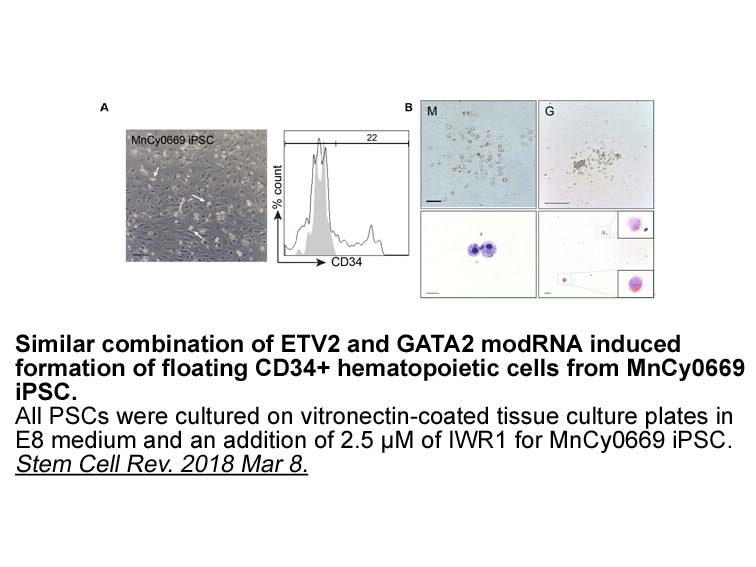
Which other approaches can complement signaling optogenetics to paint a more complete picture of developmental Erk signaling? For now, the authors have dynamically manipulated Erk signaling but measured the Erk output at steady-state using classic immunofluorescence techniques (Johnson and Toettcher
-
The chemical structures of I C
2020-12-24
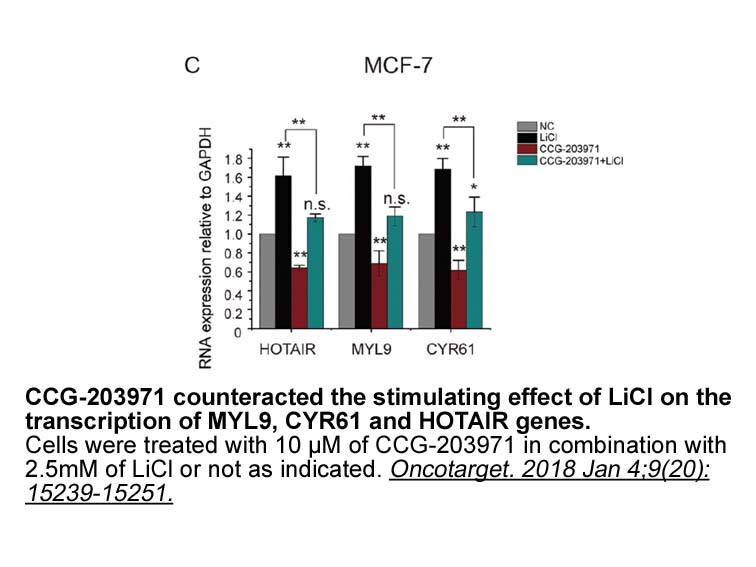
The chemical structures of I3C, 3MOI, and 3MI and the CCG 203971 responsible for 3MI metabolism in rainbow trout and carp are shown in Fig. 4. Discussion To determine the individual CYP450 isoforms involved in 3MI metabolism, we used specific inhibitors for CYP1A, CYP3A and CYP2E1. Our results
-
The quaternary structure of many of the
2020-12-23
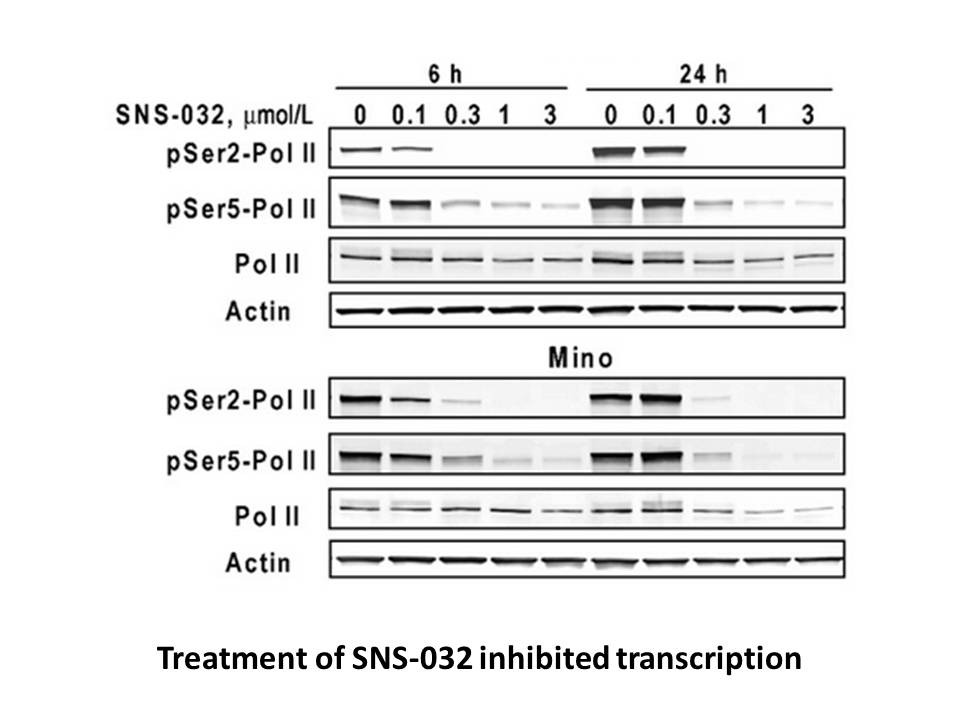
The quaternary structure of many of the family B members (i.e., secretin, glucagon, glucagon-like peptide and 2'-O-Methyl-ATP receptors) have been actively studied and it has been demonstrated that they can form homodimers/oligomers (Gao et al., 2009; Ng & Chow, 2015; Ng, Lee, & Chow, 2013). Hariku
-
Does a universal mechanism for TLS exist Our previous
2020-12-23
Does a universal mechanism for TLS exist? Our previous studies using the bacteriophage T4 DNA polymerase generated the model provided in Fig. 7 that quantifies the molecular forces influencing key steps in the polymerization pathway during the replication of a non-instructional versus miscoding DNA
11455 records 446/764 page Previous Next First page 上5页 446447448449450 下5页 Last page